
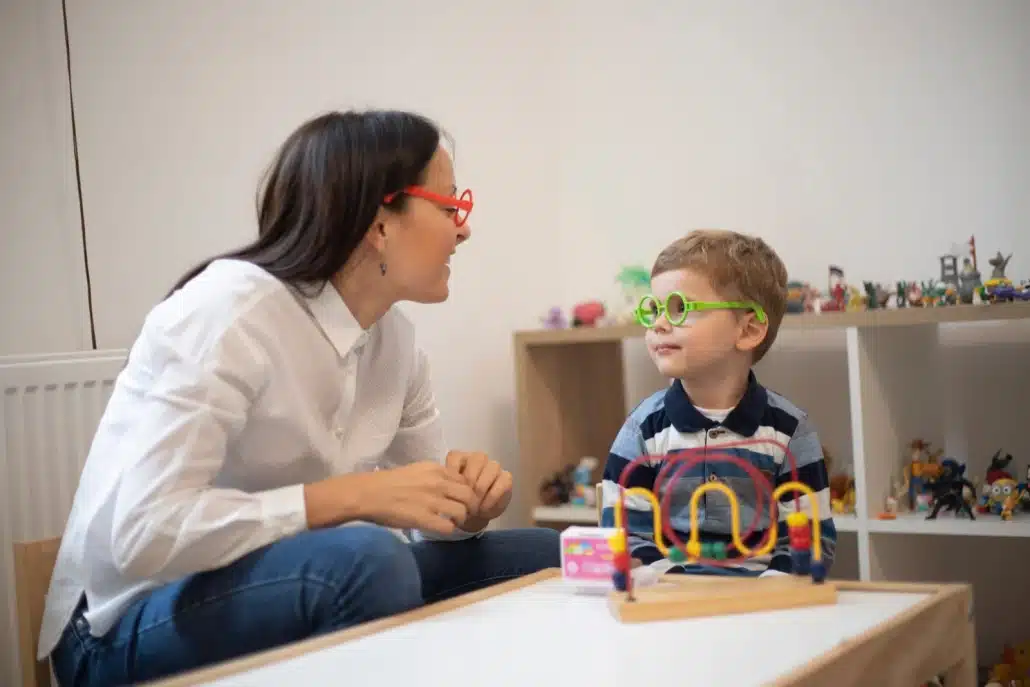
Finding the right educational support for a child with autism can feel overwhelming—especially in a bustling, diverse city like Vancouver. Fortunately, with the right strategies, resources, and guidance, tutoring can become an empowering experience for both students and families.
In this blog, we’ll explore practical Vancouver tutor tips for kids with autism, tailored to the unique needs of learners in Vancouver. Whether you’re a parent seeking help, a new tutor, or an educator supporting a neurodiverse classroom, these tips will help you build a supportive, structured, and growth-oriented tutoring journey.
Understanding Autism and Learning Differences
Before diving into tutoring strategies, it’s essential to recognize how autism can affect learning. Autism Spectrum Disorder (ASD) is a neurological condition that impacts communication, social interaction, and behavior in varying degrees. Kids with autism often:
- Thrive on routine and structure
- Struggle with sensory sensitivities or distractions
- Communicate or process information differently
- Have strong interests or areas of focus
- Benefit from visual, hands-on, or movement-based learning
Vancouver’s inclusive education system embraces neurodiversity, and tutors play a key role in reinforcing that at home or in specialized sessions.
1. Create a Consistent Learning Routine
Children with autism often find comfort and success in predictable routines. Set a clear, consistent schedule for tutoring sessions, and try to hold them at the same time and place each week. Use visual calendars or timers to help ease transitions.
Tip: Vancouver families can use local apps like BC Services Card or MySchedule to integrate learning time into daily routines alongside therapy or school activities.
2. Minimize Distractions with a Sensory-Friendly Space
Many kids with autism are sensitive to noise, lights, and textures. Create a tutoring environment with:
- Soft lighting
- Minimal background noise
- Comfortable seating
- Fidget-friendly tools (e.g., stress balls, textured mats)
- Noise-canceling headphones if needed
In Vancouver’s rainy climate, indoor spaces may echo more than usual—consider rugs or soundproofing materials to reduce auditory distractions.
3. Use Visual Supports & Tools
Visual aids are incredibly effective for students with autism. They help with comprehension, sequencing, and emotional regulation. Try incorporating:
- Flashcards
- Picture schedules
- Whiteboards
- Charts and graphs
- Drawing apps or iPads
Local Resource Tip: Check out the Vancouver Public Library’s accessible tech tools and free printable visuals for learners with special needs.
4. Tailor Lessons to Their Interests
Many children with autism have deep interests—dinosaurs, trains, space, art, coding, or numbers. Integrating those passions into tutoring Service Vancouver not only builds trust but also increases engagement.
For example:
- Use train images for math problems
- Write reading comprehension stories about dinosaurs
- Let them “teach” the tutor facts about their favorite topic
Personalization is key. Vancouver’s culturally rich and nature-filled surroundings also offer inspiration—use landmarks like Science World or Stanley Park in your lessons.
5. Break Down Tasks into Small Steps
Kids with autism often do better with “chunking” information into smaller, manageable parts. Large assignments or abstract instructions can feel overwhelming.
Try this:
- Break math problems into one-step equations
- Use a “first–then–next” model for writing essays
- Offer checklists they can mark as they complete each part
These techniques promote independence and reduce anxiety, especially when paired with positive reinforcement.
6. Use Clear, Concrete Language
Avoid metaphors, idioms, or abstract terms that might confuse a literal thinker. Be direct and specific in your instructions. Instead of saying, “Can you clean this up?” try, “Please put the pencils back in the pencil box.”
When tutoring kids with autism, clarity = confidence.
Tip for Vancouver Tutors: Consider learning a few signs from ASL or visual gestures to support non-verbal or low-verbal learners.
7. Include Movement and Breaks
Sitting for long periods can be especially tough for some children on the spectrum. Schedule short sensory or movement breaks between learning activities to keep the focus sharp.
Ideas:
- Jumping jacks
- A short walk (even indoors)
- Stretching
- Sensory bins or kinetic sand
8. Build Social-Emotional Skills Through Tutoring
Tutoring sessions are a great opportunity to support more than just academics. Integrate social skills practice, such as:
- Turn-taking during games
- Practicing conversation starters
- Identifying emotions on flashcards
- Role-playing peer interactions
Even a few minutes each session can strengthen confidence in classroom and social settings.
9. Collaborate with Parents and Educators
The most effective tutoring support happens when everyone is on the same page. Talk regularly with parents about what works, what doesn’t, and any goals or concerns. If possible, connect with the child’s school-based team, including:
- Classroom teachers
- Special Education Assistants (SEAs)
- Behavior consultants
- Occupational or speech therapists
Vancouver Tip: Many top best Vancouver tutors and community centers offer support plans through IEP (Individualized Education Program) meetings—Autism Tutors Vancouver can request input to align their lessons accordingly.
10. Celebrate Progress, Not Perfection
Every child learns at their own pace—and for kids with autism, progress might look different than standard grade levels. Celebrate small wins:
- Completing a new task
- Improved focus or communication
- Using self-regulation tools
- Engaging in a new subject
Tutoring children with autism is a journey that takes patience, compassion, and creativity. In Vancouver, where families have access to rich resources and inclusive practices, the potential for success is high—especially when tutors commit to personalized, structured, and affirming support.
Supporting neurodiverse learners doesn’t mean “fixing” how they learn—it means adapting how we teach. With the right strategies and local support, every child with autism can thrive in their educational journey. For compassionate, personalized tutoring designed to support kids with autism, Contact Tutoring Vancouver – Mrs Sam is here to help you every step of the way.
Leave a Reply
Want to join the discussion?Feel free to contribute!